
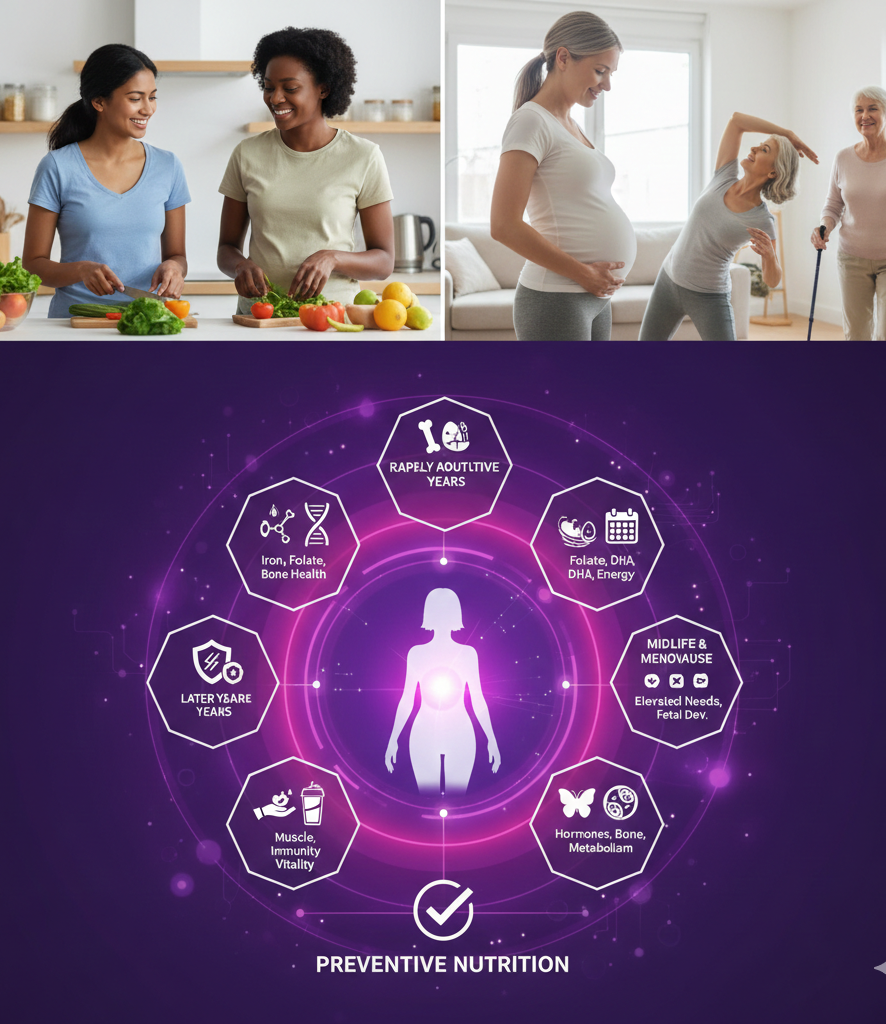
Nutrition plays a central role in supporting women’s health, yet nutritional requirements are not static. They evolve gradually across life stages, influenced by physiological changes, hormonal transitions, lifestyle demands, and metabolic shifts. Understanding these changing needs allows for a more proactive approach to long-term wellbeing.
Rather than focusing only on short-term health goals, modern healthcare increasingly emphasizes maintaining nutritional adequacy throughout life. Consistent support helps the body adapt to transitions more smoothly and contributes to overall resilience.
Early Adulthood: Building the Foundation
The years between late adolescence and early adulthood are a critical period for establishing nutritional reserves. During this time, the body continues to strengthen bone mass, regulate metabolic pathways, and support reproductive health.
Iron becomes particularly important in this phase, as menstrual blood loss can influence iron levels. Adequate intake supports healthy oxygen transport and helps maintain daily energy. Folate is another key nutrient, contributing to cell division and tissue development, while vitamin B12 supports neurological function.
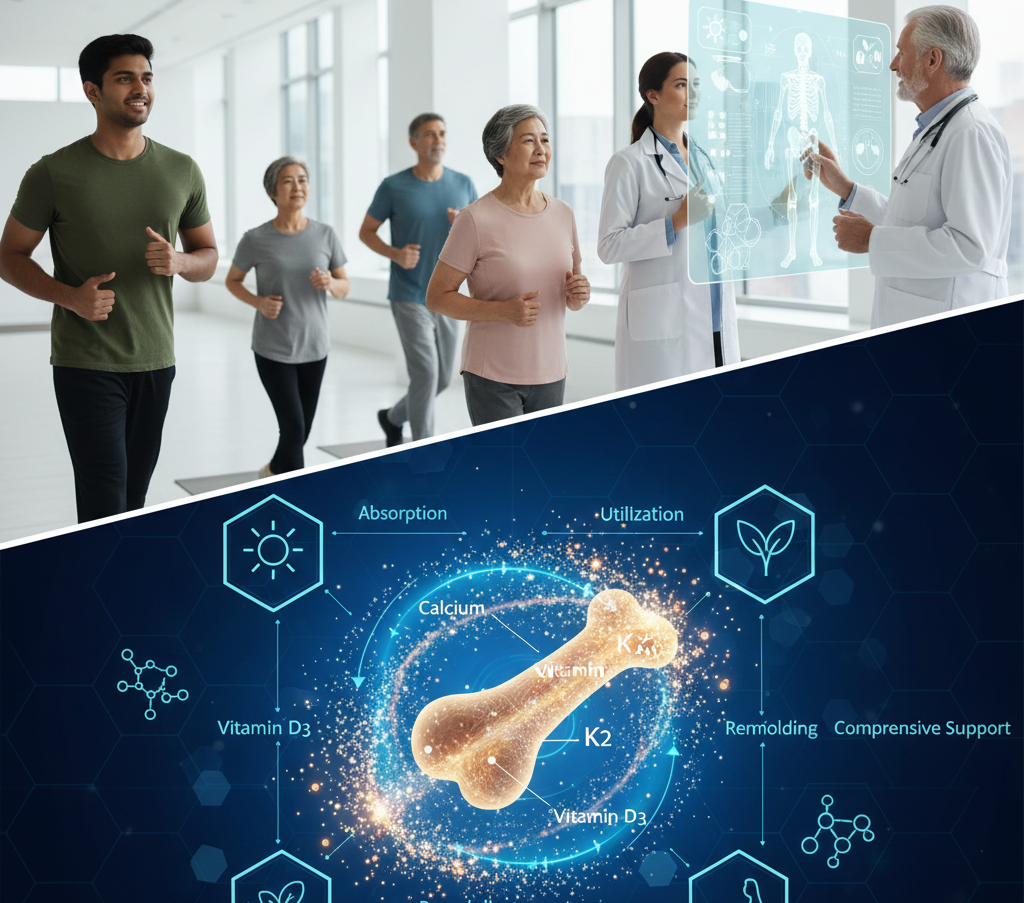
Calcium and vitamin D also deserve attention, as peak bone mass is typically achieved in early adulthood. Building strong skeletal reserves during these years may influence bone health later in life.
However, modern routines — often characterized by irregular meals, high stress, and long working hours — can make consistent nutrition challenging. Developing balanced dietary habits early can therefore have lasting benefits.
Reproductive Years: Supporting Increased Physiological Demand
As women move through their reproductive years, nutritional needs often expand. The body requires adequate vitamins, minerals, essential fatty acids, and protein to support hormonal balance, energy metabolism, and overall vitality.
Iron remains important, while nutrients such as folate are widely recognized for their role in supporting healthy fetal development when pregnancy is planned or anticipated. DHA, an omega-3 fatty acid, contributes to brain and visual development and is frequently included in maternal nutrition discussions.
Even outside of pregnancy, maintaining nutritional sufficiency supports immune function, cognitive performance, and daily stamina — all of which are increasingly relevant in fast-paced lifestyles.
Healthcare professionals often encourage thoughtful nutrition during this stage, as consistent support benefits both immediate wellbeing and long-term health trajectories.
Pregnancy and Maternal Health: A Time of Elevated Needs
Pregnancy represents one of the most nutritionally demanding phases of life. The body undergoes profound physiological changes, requiring increased intake of several nutrients to support both maternal health and fetal growth.
Iron requirements typically rise to accommodate expanded blood volume. Folate supports neural development, while calcium contributes to fetal skeletal formation. DHA plays a role in brain development, and adequate protein intake supports tissue growth.
Because nutritional demands are higher, professional guidance becomes especially valuable during this stage. Personalized recommendations help ensure that intake remains appropriate without becoming excessive.
It is also increasingly recognized that maternal nutrition can influence long-term health patterns, highlighting the importance of consistent, well-informed support.
Midlife and the Menopausal Transition
Midlife introduces another significant physiological shift. Hormonal changes during the menopausal transition can influence bone mineral density, muscle composition, and metabolic rate.
Calcium and vitamin D gain renewed importance as part of skeletal support strategies, while magnesium contributes to muscle function and metabolic processes. Vitamin K is also involved in calcium regulation within the body.
At the same time, maintaining adequate intake of B vitamins supports energy metabolism, which some individuals find helpful as natural energy patterns evolve with age.
Preventive care becomes increasingly relevant during this stage. Rather than reacting to changes after they occur, healthcare professionals often emphasize maintaining nutritional consistency to support mobility, strength, and overall functional health.
Later Years: Preserving Strength and Independence
As women age, nutritional priorities often shift toward preserving muscle integrity, supporting bone structure, and maintaining immune resilience. Appetite patterns and nutrient absorption may change over time, making nutrient density particularly important.
Protein intake supports muscle maintenance, while calcium and vitamin D continue to contribute to skeletal health. Vitamin B12 also warrants attention, as absorption efficiency may decline with age.
Equally important is hydration and maintaining a balanced diet that provides sufficient micronutrients without excessive caloric intake. These habits collectively support independence and quality of life.
The Importance of Preventive Nutrition
A common thread across every life stage is the value of consistency. Nutritional adequacy is rarely about dramatic short-term interventions; instead, it reflects steady habits maintained over years.
Preventive nutrition focuses on supporting the body before imbalances develop. This approach aligns with the broader shift in healthcare toward preserving health rather than addressing concerns only after they arise.
Thoughtfully designed nutritional strategies — guided by qualified healthcare professionals — can help ensure that support remains appropriate for individual needs and life circumstances.
Moving Toward Lifelong Wellness
Women’s health is shaped by a dynamic interplay of biology, environment, and lifestyle. Recognizing that nutritional requirements evolve allows for more informed choices and encourages a proactive mindset toward wellbeing.
While no single approach fits everyone, awareness is a powerful first step. By prioritizing balanced nutrition and seeking professional guidance when needed, women can better support their health across every phase of life.