

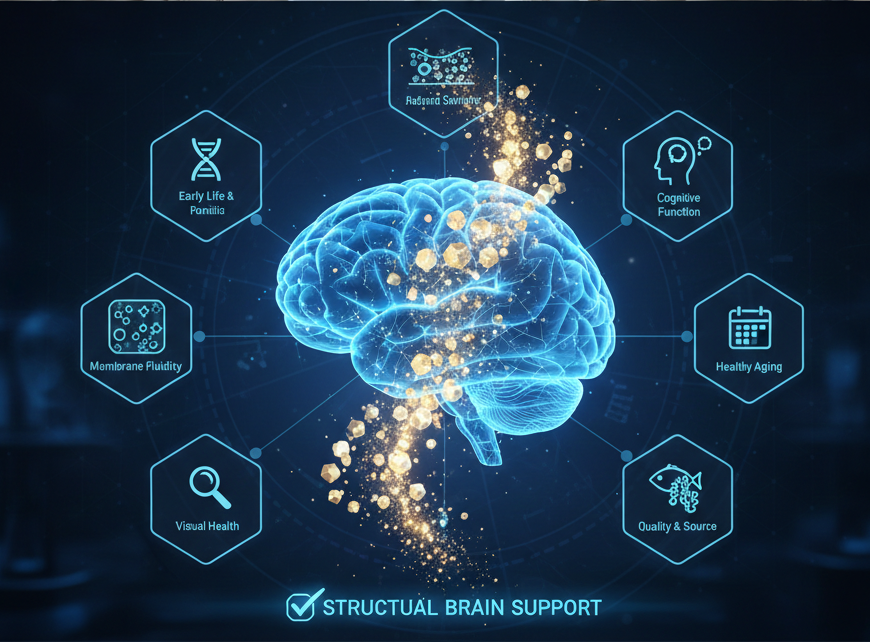
The human brain is one of the most complex and energy-demanding organs in the body, requiring a continuous supply of nutrients to function efficiently. Among these nutrients, DHA (docosahexaenoic acid) holds a particularly important position. As a structural omega-3 fatty acid, DHA is a major component of brain tissue and plays a vital role in supporting cognitive function throughout life.
Unlike many nutrients that primarily assist biochemical reactions, DHA is physically incorporated into neuronal cell membranes. This structural presence helps maintain membrane fluidity — a characteristic that allows brain cells to communicate effectively. Efficient communication between neurons is fundamental to processes such as learning, memory, focus, and overall mental clarity.
A Structural Nutrient for the Brain
Nearly a significant portion of the brain’s fat content consists of DHA, highlighting its biological importance. Because the body produces only limited amounts on its own, adequate dietary intake becomes essential.
DHA contributes to the stability and flexibility of neuronal membranes, which in turn supports signal transmission. When these communication pathways function smoothly, the brain is better equipped to process information and respond to cognitive demands.
This is one reason DHA is often discussed in the context of long-term cognitive support rather than short-term stimulation.
Early Life and Neural Development
The importance of DHA begins even before birth. During fetal development and early infancy, the brain undergoes rapid growth, and DHA serves as a key building block in this process.
Adequate maternal intake supports normal brain and visual development, which is why healthcare professionals frequently consider omega-3 status when discussing prenatal nutrition. Early childhood continues to be a period of neurological expansion, further emphasizing the value of consistent nutritional support.
While brain development is influenced by many factors, ensuring the availability of essential fatty acids helps provide a strong physiological foundation.
Cognitive Function in Adulthood
As individuals move into adulthood, the brain faces new challenges — demanding work schedules, constant information flow, mental stress, and reduced recovery time. Supporting cognitive health becomes less about development and more about maintenance.
DHA is associated with helping maintain normal brain function, contributing to mental performance and everyday cognitive processes. Rather than acting as a stimulant, it supports the structural environment in which brain activity occurs.
This distinction is important. Sustainable cognitive health is typically built on long-term nutritional adequacy rather than temporary boosts.
Supporting Healthy Aging
With advancing age, preserving cognitive function becomes an increasing priority. While aging is a natural process, research continues to explore how nutrition may help support brain health over time.
Omega-3 fatty acids, including DHA, are frequently studied for their role in supporting neuronal integrity. Maintaining healthy cell membranes may contribute to functional resilience, reinforcing the importance of consistent intake across the lifespan.
Healthcare professionals often emphasize preventive strategies, recognizing that nutritional habits established earlier in life can influence future wellbeing.
Beyond the Brain: A Broader Physiological Role
Although widely recognized for cognitive support, DHA also contributes to other aspects of physiological function. It plays a role in visual health, as the retina contains high concentrations of this fatty acid. Additionally, omega-3s are involved in cellular signaling pathways throughout the body.
These interconnected roles reflect an important principle in nutrition: the body functions as an integrated system rather than a collection of isolated organs.
The Importance of Quality and Source
Not all sources of omega-3 fatty acids are identical. Factors such as purity, stability, and sourcing influence overall quality. In recent years, algae-derived DHA has gained attention as a plant-based option that provides a controlled and sustainable source of this essential fatty acid.
For healthcare professionals, considerations often extend beyond ingredient presence to include absorption potential, formulation quality, and manufacturing standards.
A Long-Term Perspective on Brain Health
Brain health is shaped by daily habits — including nutrition, sleep, physical activity, and mental engagement. DHA is not a quick solution, but rather a nutrient that supports the brain gradually as part of a consistent wellness strategy.
This long-view approach aligns with the broader movement toward preventive healthcare, where the focus is on maintaining function rather than responding only after concerns emerge.
Moving Toward Informed Nutritional Choices
As awareness of cognitive wellbeing continues to grow, so does the recognition that foundational nutrients play an important role in supporting brain function. Ensuring adequate intake of essential fatty acids is one step toward maintaining mental performance and neurological balance across life stages.
Because individual nutritional needs vary, consulting a qualified healthcare professional before beginning supplementation is always advisable. Personalized guidance helps ensure that nutritional strategies remain appropriate, safe, and aligned with overall health goals.